CV Format for UAE Jobs: Template and Tips (2026)
The UAE job market – led by Dubai and Abu Dhabi – attracts candidates from around the world, and employers expect a CV format that is slightly different from the UK, US or European version. Get the format right and your application looks professional and compliant. Get it wrong and it can be filtered out before a human ever reads it. This guide explains exactly what a UAE CV should include in 2026.
What makes a UAE CV different
A UAE CV is close to the UK format, but it adds a few personal details that Western CVs usually leave out. Employers in the Gulf often expect:
- Personal details such as nationality, date of birth and visa status
- A professional photo (in most, but not all, industries)
- Marital status (less common now, but still requested by some employers)
- A clear statement of your current location and visa situation
The reason is practical: hiring in the UAE frequently involves sponsorship and visa processing, so employers want to know your status up front.
Sections to include, in order
- Header – your name, job title, phone, email and location (for example, "Dubai, UAE").
- Professional photo – a clear, professional headshot, placed top right (optional for many roles, expected in others).
- Personal details – nationality, visa status, date of birth, marital status and driving licence.
- Professional summary – two to three lines on who you are and what you offer.
- Work experience – most recent first, with results.
- Education – degrees and institutions, with dates.
- Skills – technical and soft skills relevant to the job.
- Certifications – professional certifications carry weight in the UAE.
- Languages – list them with proficiency levels; bilingual English/Arabic is a strong plus.
- References – commonly expected.
Personal details: what to include
UAE employers typically expect more personal information than in the UK. Include:
- Nationality
- Visa status – for example, "Employment visa (transferable)" or "Visit visa, seeking employment"
- Date of birth
- Marital status – include if the employer asks
- Driving licence – if relevant to the role
- Location – city and emirate
If you are applying from abroad, say so clearly and add whether you would require sponsorship.
Should you include a photo?
In much of the world, photos are discouraged to avoid bias. In the UAE, a professional photo is common and often expected, especially in hospitality, retail, sales, customer service and front-facing roles. It is less common for technical, IT and senior corporate roles.
If you include one, make it professional: plain background, business attire, neutral expression. A casual or low-quality photo does more harm than good.
CV length in the UAE
Two pages is standard. A one-page CV is fine for junior or entry-level roles, and three pages is acceptable only for senior executives or highly technical specialists. The UAE market values completeness, so a slightly longer CV is tolerated than in the US, but relevance still wins.
Language and tone
- Write in English unless the job is advertised in Arabic.
- Use British English spelling – "organisation," "specialise," "colour" – because UK-influenced spelling is the norm in the UAE.
- Keep the tone formal and professional. Avoid slang and casual phrasing.
- If you speak Arabic, highlight it. Bilingual candidates are in strong demand.
Formatting tips for a UAE CV
- Use a clean, single-column layout so ATS software can read it.
- Choose a standard font such as Calibri, Arial or Times New Roman at 10.5 to 12pt.
- Save as PDF unless the employer asks for Word.
- Name the file professionally:
Firstname-Lastname-CV.pdf. - Keep dates in a clear, consistent format.
- Avoid tables and text boxes in the main content.
Common mistakes to avoid
- Leaving out your visa status. Employers see this as a red flag; be upfront.
- Using a casual photo. It undermines the professional impression.
- Copying a US resume. A one-page, personal-details-free US resume looks wrong in the UAE.
- Including salary expectations in the CV itself – keep that for the interview or the application form.
- Unclear dates or gaps. Explain breaks briefly and honestly.
- Typos. Attention to detail matters, and a typo suggests otherwise.
UAE CV template (at a glance)
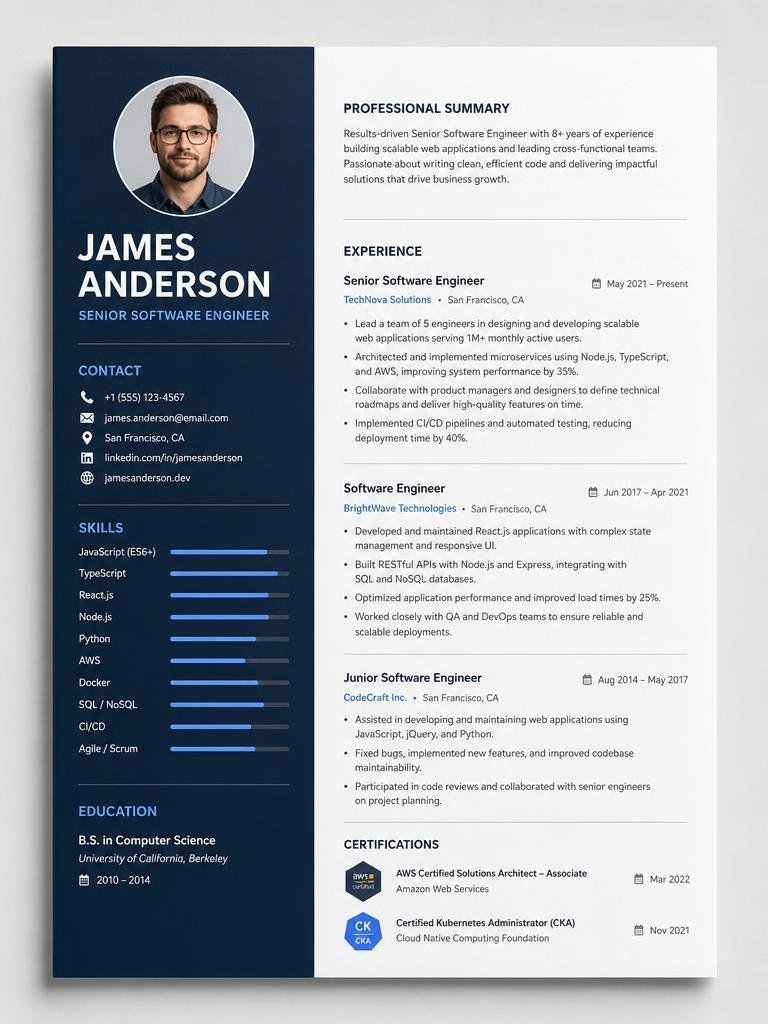
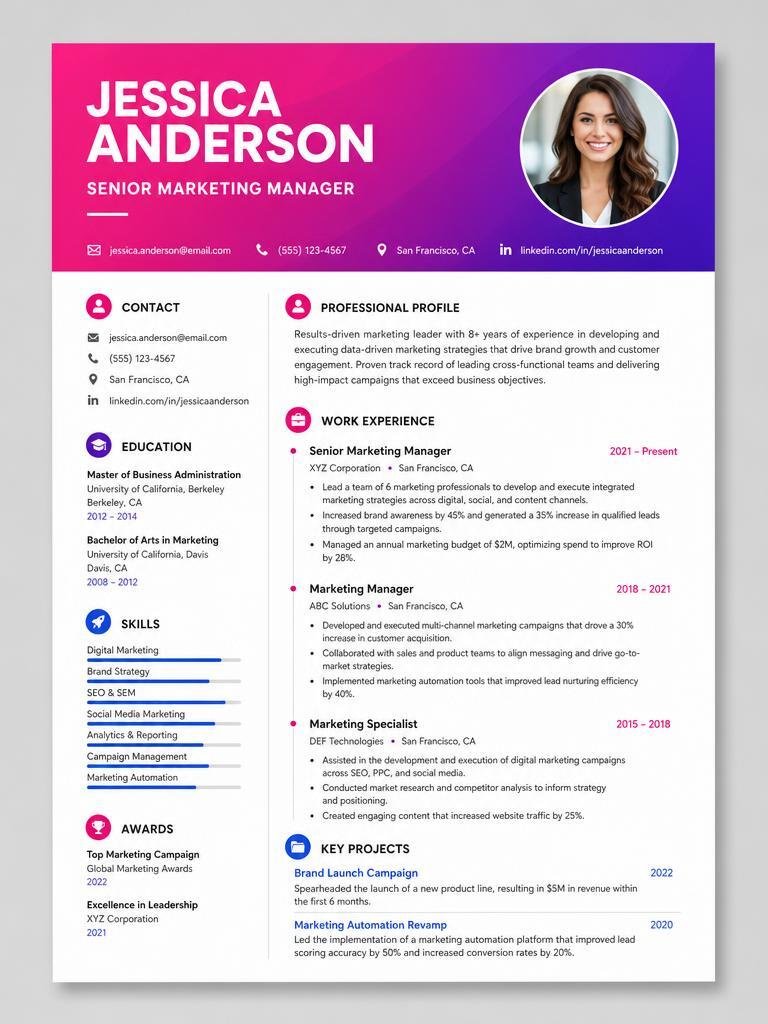
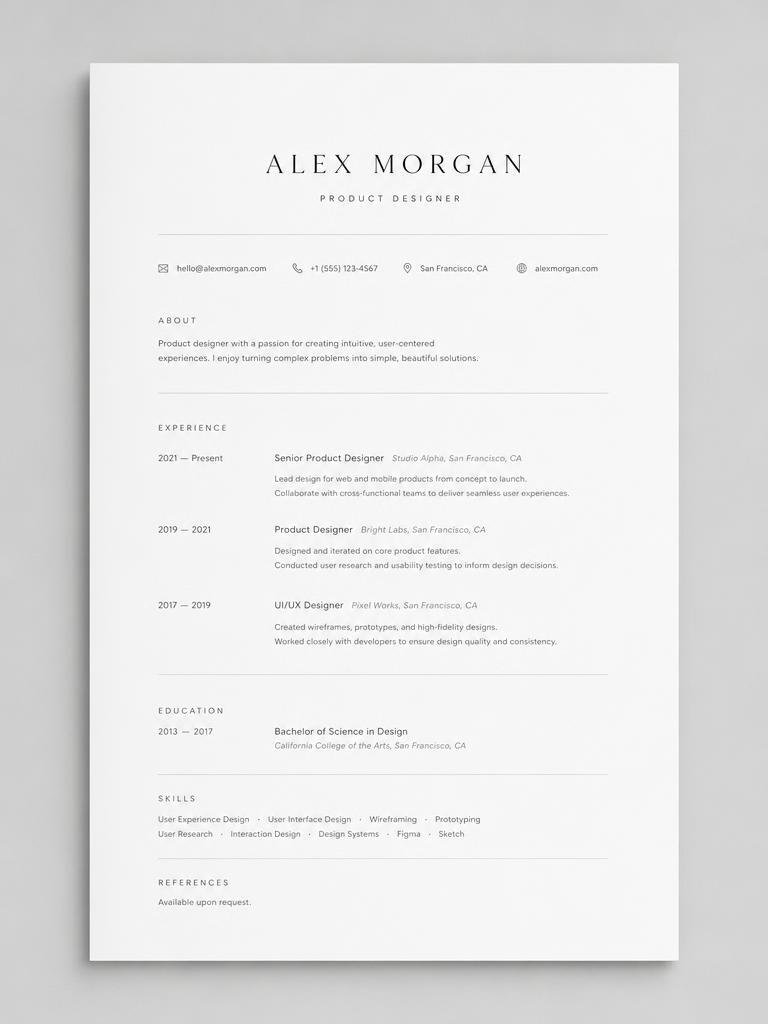
A clean UAE CV looks like this:
- Name (large, bold) and target job title
- Contact: phone, email, city, nationality, visa status
- Photo: top right, professional
- Professional summary: 2 to 3 lines
- Work experience: title, company, dates, achievement bullets
- Education: degree, institution, dates
- Skills: technical and soft
- Languages: with proficiency
- Certifications: relevant
- References: available on request or listed
Make your UAE CV match the job
Employers in Dubai and Abu Dhabi receive hundreds of applications for popular roles. A generic CV will not stand out. The strongest UAE CVs are tailored to the specific job description, mirroring the employer's keywords and priorities.
AICVGenerators formats and tailors your CV to the job, keeps the sections UAE employers expect, and writes it in clean, professional British English.
Try it: Generate your UAE CV free →
Frequently asked questions
Should I put a photo on a UAE CV?
A professional photo is common in the UAE and often expected in hospitality, retail, sales, customer service and other front-facing roles. It is less common for technical, IT and senior corporate roles. If you include one, use a plain background, business attire and a neutral expression.
What personal details go on a UAE CV?
Employers typically expect nationality, visa status and date of birth. Marital status and a driving licence can be included if the employer asks or the role needs it, and you should add your city and emirate.
How long should a UAE CV be?
Two pages is standard. One page is fine for junior or entry-level roles, and three pages is acceptable only for senior executives or highly technical specialists.
Should I include my visa status on a UAE CV?
Yes. Hiring in the UAE often involves sponsorship and visa processing, so employers want to know your status up front. If you are applying from abroad, say so and state whether you would need sponsorship.
Which English spelling should I use on a UAE CV?
British English, such as "organisation", "specialise" and "colour", because UK-influenced spelling is the norm in the UAE.