How Long Should a CV Be? (2026 Guide With Examples)
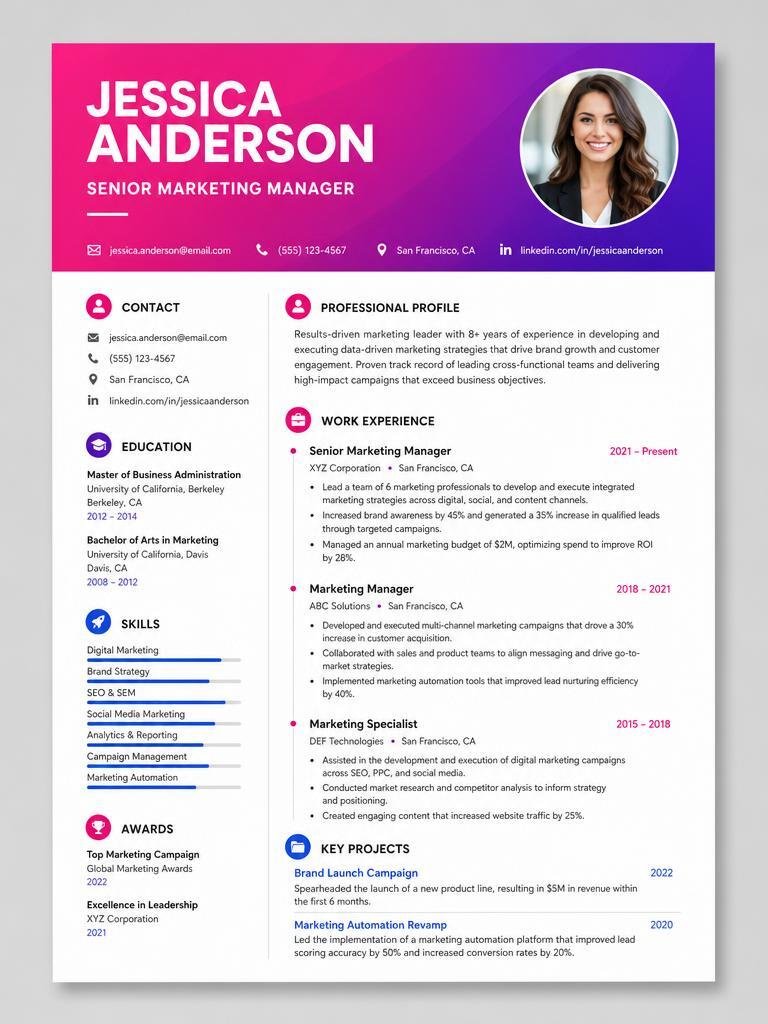
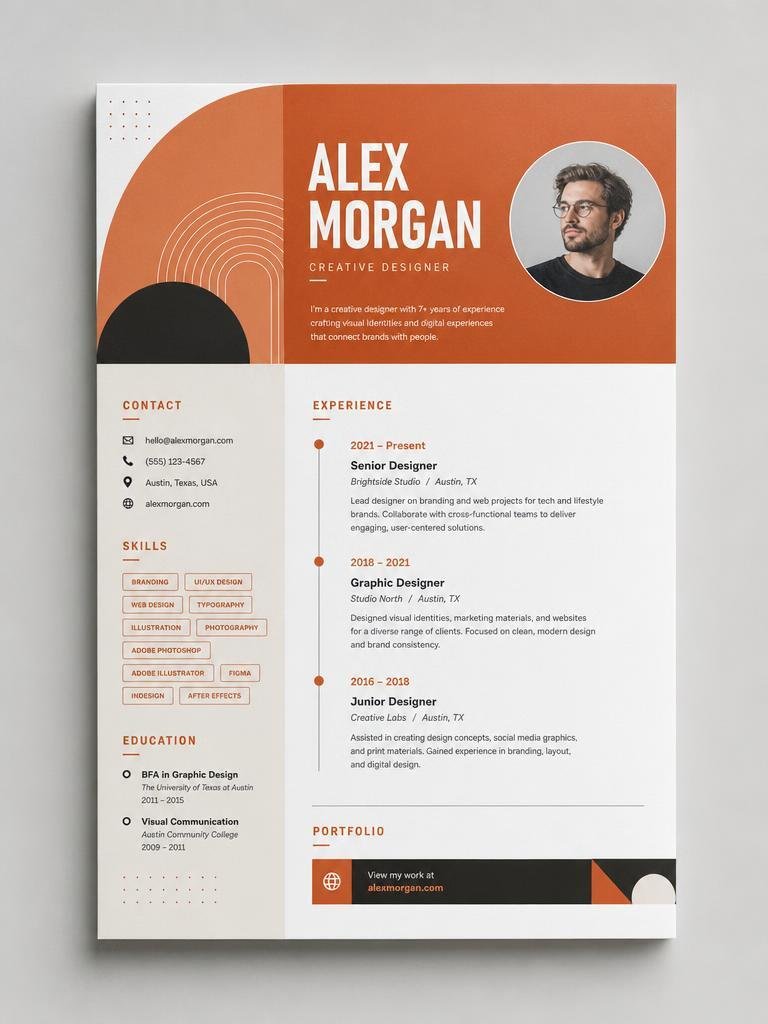
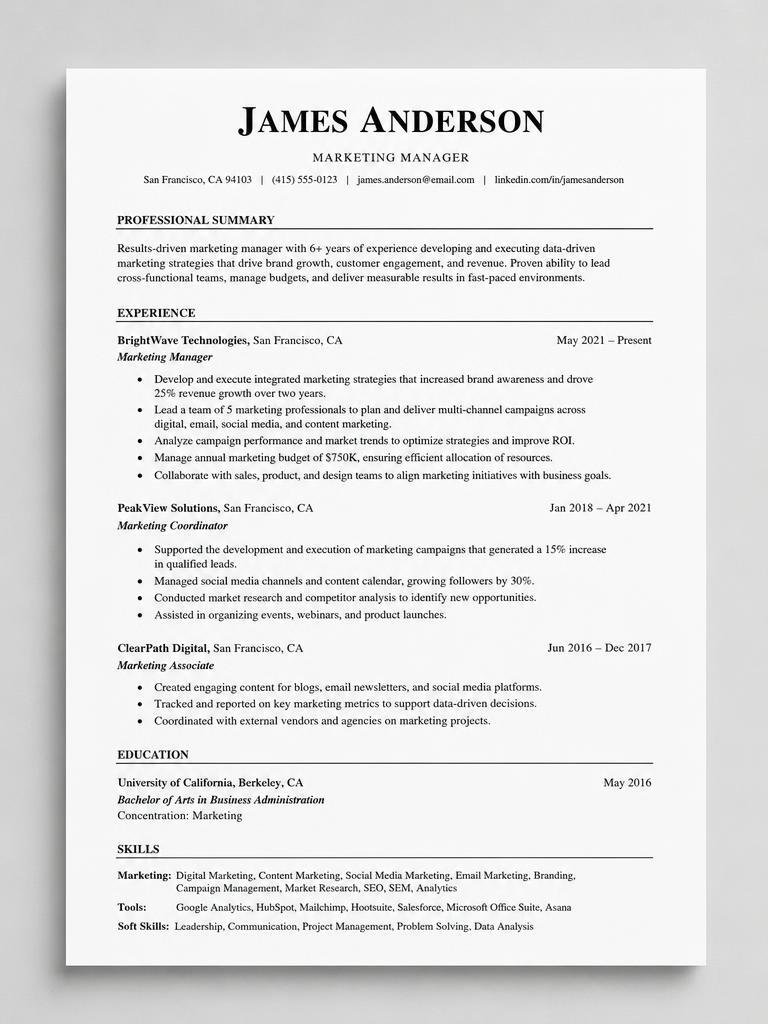
A CV should typically be one page for under 5 years' experience, and two pages beyond that. Academic and US federal CVs can run longer.
Most CVs are either too long or too short. One is stuffed with a decade of daily duties that no recruiter will read. The other leaves the employer guessing what you actually did. Getting the length right is one of the fastest ways to make your CV look professional and increase your chances of an interview.
The short answer
- Under about five years of experience: one page.
- Five to ten years, or more than two or three roles: two pages.
- Academic, medical, research or senior executive roles: three pages or more is acceptable when the role expects a full history.
The real rule is relevance, not page count. Every line should earn its place. A tight two-page CV beats a padded one-page CV and a rambling four-page CV every time.
Why CV length matters
Recruiters spend an average of six to eight seconds on a first scan. They are not reading your CV line by line; they are looking for reasons to keep it or bin it. When a CV is too long, the strongest parts get buried and the reader gives up. When it is too short, there is not enough evidence to justify an interview.
Applicant tracking systems (ATS) read your CV too. Length itself does not break an ATS, but the messy layouts people use to cram in more content (tiny fonts, text boxes, tables) often do.
Ideal CV length by experience level
| Your situation | Recommended length |
|---|---|
| Student, graduate, first job | 1 page |
| 2 to 5 years' experience | 1 page, 2 if detailed |
| 5 to 10 years' experience | 2 pages |
| Senior manager or director | 2 pages, 3 if needed |
| Academic, doctor, researcher | 2 to 4+ pages |
One page vs two pages
Use one page when:
- You are early in your career.
- You have had one or two jobs.
- Your experience is repetitive.
- You are changing industry and only part of your history is relevant.
Use two pages when:
- You have a longer, varied career.
- You are applying for a senior or specialist role.
- You need room to show measurable results across several roles.
There is no prize for squeezing everything into one page if it means cutting the achievements that would win you the interview. Equally, there is no credit for a second page that is half empty.
CV length by country and career stage
CV norms vary, and applying the wrong format can look careless. Use this as a quick reference:
| Country | Graduate or under 5 years | 5 to 10 years | Senior or 10+ years | Notes |
|---|---|---|---|---|
| UK and Ireland | 1 page | 2 pages | 2 pages (3 for academic or executive) | Called a CV. Two pages is standard for experienced professionals. |
| United States and Canada | 1 page | 1 to 2 pages | 2 pages | Called a resume. One page is still the default. US federal resumes can be much longer. |
| Australia and New Zealand | 2 pages | 2 to 3 pages | 3 pages | Called a resume, but more detailed than a UK CV. |
| UAE and the Gulf | 1 to 2 pages | 2 pages | 2 pages (3 for executives) | Usually includes personal details such as nationality and visa status. |
For full templates and section-by-section guidance, see our UK CV format guide and UAE CV format guide.
How to shorten a CV that is too long
- Cut duties, keep results. Replace "Responsible for managing social media accounts" with "Grew Instagram following from 2k to 18k in eight months."
- Trim old roles. Jobs from more than ten to fifteen years ago can be reduced to a single line with the title, company and dates.
- Remove the irrelevant. If it does not support the job you are applying for, it goes.
- Use tighter writing. One strong line beats three weak ones.
- Drop the references section. "References available on request" wastes space; recruiters know they can ask.
- Cut outdated skills. No need to list Microsoft Word, email or typing speed in 2026.
- Tighten spacing and margins slightly – but never shrink the font below about 10.5pt or margins below half an inch.
How to lengthen a CV that is too short
If your CV is thin, do not pad it with fluff. Add substance:
- Quantify what you already do ("handled up to 60 customer calls a day").
- Add relevant projects, volunteering or freelance work.
- Include certifications and courses you have completed.
- Expand your skills section with tools and software you genuinely use.
- Add a short profile summarising your strengths.
The two-page CV rule of thumb
A useful test: if your second page is less than a third full, either cut back to one page or add more substance. A CV that ends two lines into page two looks unfinished. A CV that ends a third of the way down looks deliberate.
Get the length right automatically
Cutting and reshaping a CV by hand takes time. AICVGenerators tailors your CV to the job description, keeps it to a sensible length and removes the padding for you.
Try it: Generate your tailored CV free →
Frequently asked questions
Is a two-page CV too long?
No. For anyone with more than a few years' experience, two pages is expected. It is too long only if the second page is filler.
Can a CV be three pages?
Only for academic, medical, research or very senior executive roles where a full project or publication record is standard. For most jobs, keep it to two.
Should a graduate CV be one page?
Yes. With limited experience, one focused page is stronger than two padded ones.
Does CV length affect ATS?
Length itself does not. Layout does. Simple headings, standard fonts and no tables in the main body keep you ATS-safe at any length.
How many jobs should I list on my CV?
Focus on the last ten to fifteen years. Older roles can be condensed to a single line or omitted if they are not relevant.