Skills to Put on a CV (300+ Examples for Any Job)
The best skills to put on a CV are the ones listed in the job description, combined with a mix of hard (technical) and soft skills relevant to your role. Most CVs include 8–12 skills in a dedicated section, plus 2–3 worked into the experience section as proof.
Your skills section is one of the first things a recruiter scans and one of the main things an ATS searches for keywords. Get it right and you move to the top of the pile. Get it wrong and you look like every other applicant. This guide shows you exactly which skills to put on a CV, with 300+ examples you can copy for your job.
Hard skills vs soft skills
There are two types of skills, and strong CVs use both:
- Hard skills are teachable and measurable: software, tools, languages, certifications and technical abilities.
- Soft skills are personal qualities: communication, teamwork, problem solving and time management.
Hard skills are what get you shortlisted, because they match the job's requirements and ATS keywords. Soft skills are what get you hired, because they show you work well with others. Aim for a mix, weighted towards hard skills.
How to choose the right skills for your CV
Do not list every skill you have. Pick the ones that match the job:
- Read the job description and highlight every skill, tool and quality it mentions.
- Prioritise the repeats. If a skill appears twice or more, it matters most.
- Only claim what is true. If you cannot explain it in an interview, leave it out.
- Put the most relevant skills first. Order by relevance, not by how impressive they sound.
- Mirror the employer's wording. If they say "stakeholder management," do not write "talking to clients."
How many skills should you list?
Between 8 and 12 skills is the sweet spot. Fewer looks thin; more looks unfocused and can read as keyword stuffing. Group them into technical and soft skills so the section is easy to scan.
Best hard skills by category
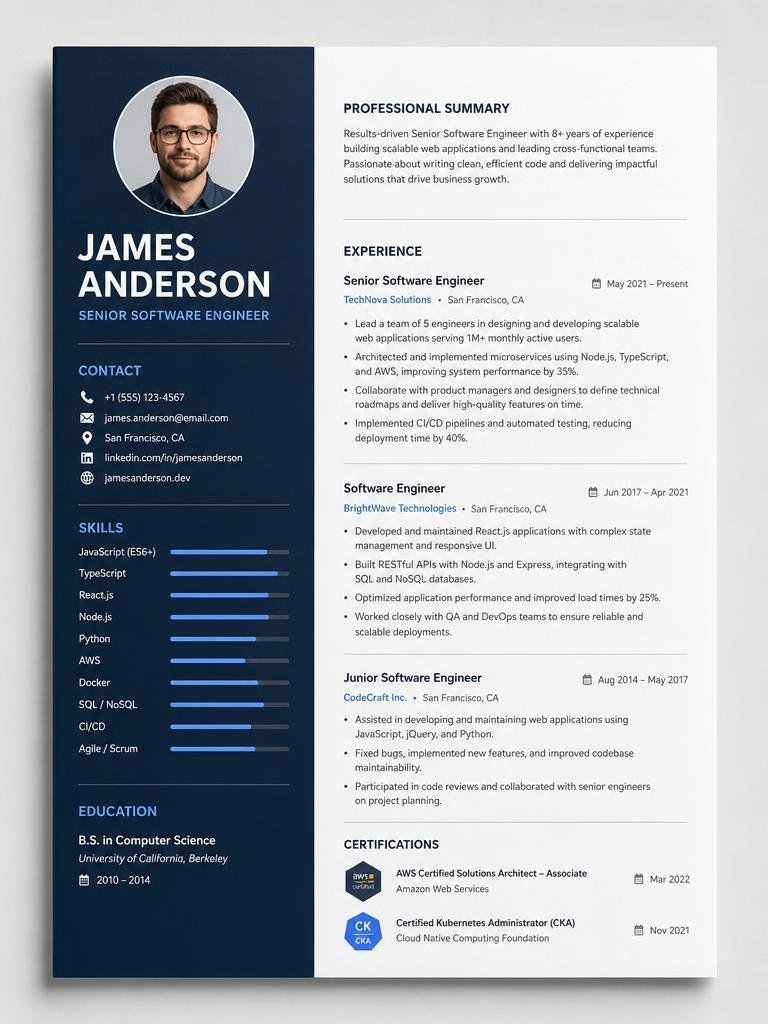
IT and software Python, JavaScript, SQL, Git, Docker, AWS, Azure, React, Node.js, Java, C#, PHP, Linux, REST APIs, CI/CD, Kubernetes, Terraform, Agile, Scrum, Jira.
Data and analytics Excel (advanced), SQL, Tableau, Power BI, Python (pandas), R, Google Analytics 4, data visualisation, statistics, A/B testing, machine learning.
Marketing and sales SEO, Google Ads, Meta Ads, email marketing, content strategy, CRM (Salesforce, HubSpot), copywriting, social media management, conversion optimisation.
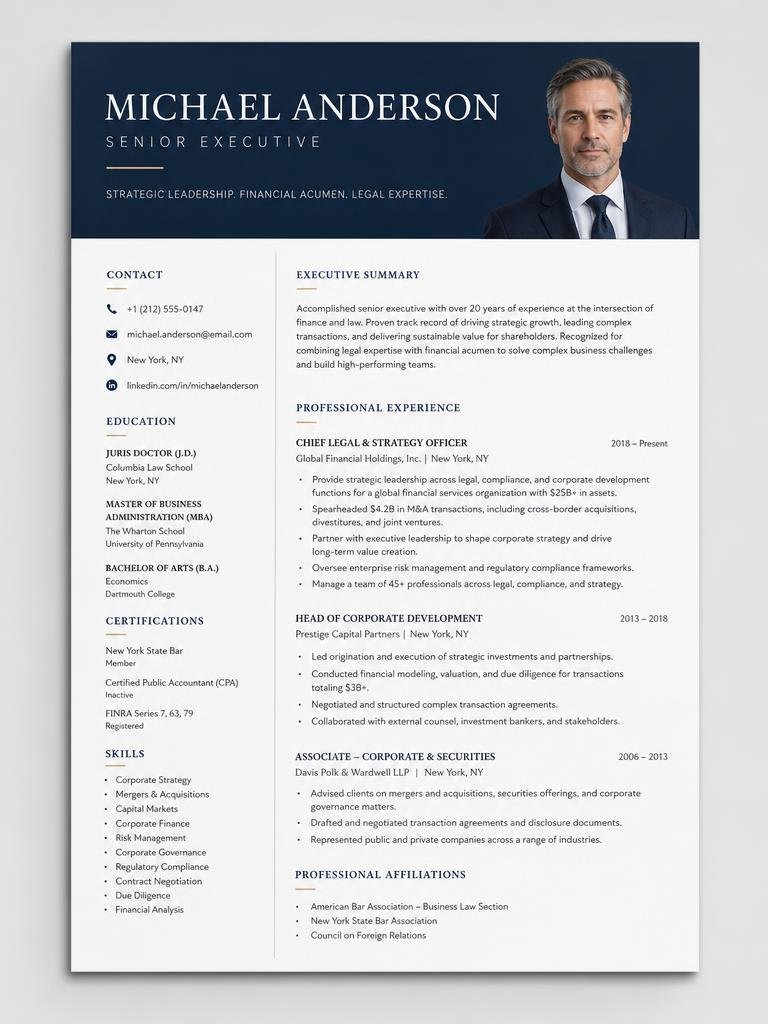
Finance and accounting Financial reporting, budgeting, forecasting, reconciliation, SAP, QuickBooks, Xero, IFRS, audit, tax preparation, risk analysis.
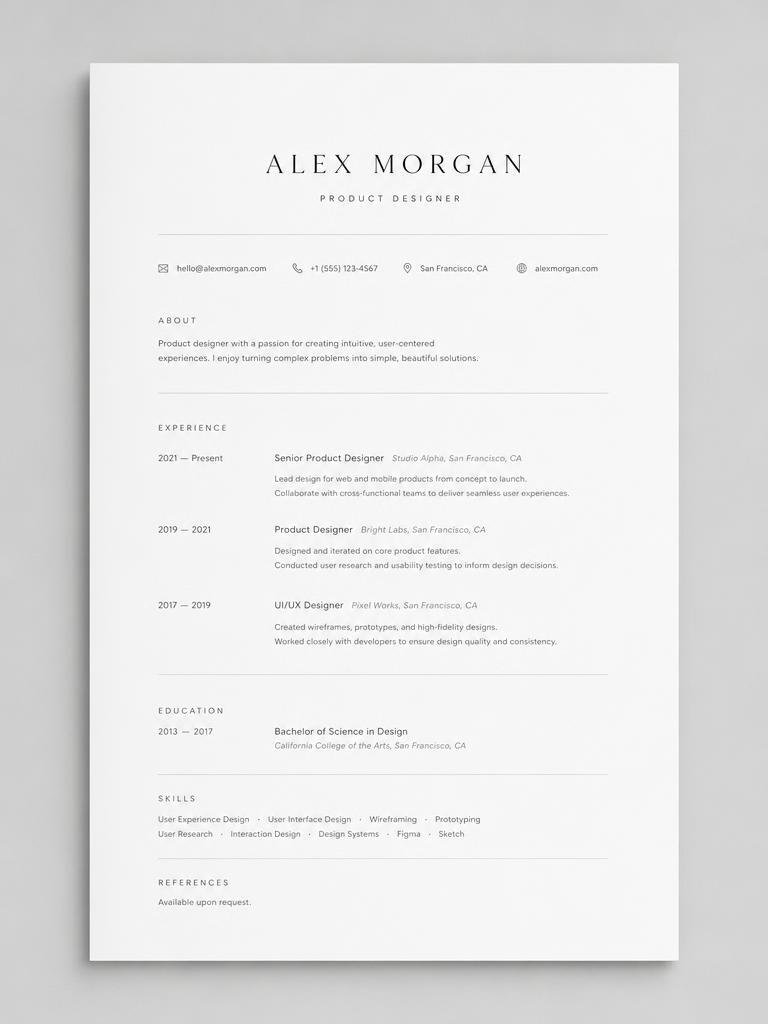
Design and creative Adobe Photoshop, Illustrator, InDesign, Figma, Canva, UI/UX design, video editing, typography, wireframing, branding.
Customer service and admin CRM software, complaint resolution, data entry, diary management, Microsoft Office, scheduling, record keeping, telephone manner.
Healthcare Patient care, clinical documentation, medication administration, EMR systems, infection control, phlebotomy, safeguarding.
Teaching and education Lesson planning, curriculum design, classroom management, assessment, SEN support, safeguarding, e-learning platforms.
Best soft skills to put on a CV
Communication, teamwork, problem solving, time management, adaptability, attention to detail, leadership, critical thinking, conflict resolution, customer focus, organisation, reliability, creativity, emotional intelligence, decision making.
Skills by job
Retail and sales assistant: customer service, cash handling, POS systems, stock replenishment, upselling, visual merchandising, complaint resolution, teamwork, reliability.
Administrator: data entry, Microsoft Office, diary management, email handling, minute taking, record keeping, scheduling, attention to detail, organisation.
Student or no experience: communication, teamwork, time management, IT skills, research, problem solving, adaptability, willingness to learn, volunteering, customer service.
Software developer: Python, JavaScript, Git, SQL, REST APIs, testing, debugging, Agile, code review, problem solving.
Customer service: active listening, CRM systems, complaint handling, empathy, conflict resolution, product knowledge, communication.
Project manager: Agile, Scrum, stakeholder management, budgeting, risk management, Jira, scheduling, leadership, reporting.
Registered nurse: patient care, clinical documentation, medication administration, EMR, infection control, teamwork, empathy, prioritisation.
Accountant: financial reporting, reconciliation, budgeting, Excel, SAP, Xero, IFRS, attention to detail, analysis.
Marketing executive: SEO, Google Analytics, social media, content creation, email marketing, copywriting, campaign management, analysis.
Warehouse and logistics: inventory management, forklift operation, pick and pack, health and safety, WMS software, teamwork, time management.
Skills to put on a CV for a 16-year-old or first job
If you are applying for your first job, you still have skills worth listing. Employers hiring juniors want reliability and a good attitude:
- Communication (from school projects, sports, volunteering)
- Teamwork
- Time management and punctuality
- Basic IT and social media
- Problem solving
- Customer service (from any retail, babysitting or charity experience)
- Willingness to learn
Skills to avoid
- Vague filler: "hard-working," "dynamic," "go-getter." They say nothing.
- Outdated basics: typing speed, "Microsoft Word" as a standalone skill, fax machine operations.
- Skills you cannot back up. Do not list Python if you have never written it.
- Soft skills only. A CV with ten soft skills and no hard skills reads as empty.
How to show skills with evidence
Listing a skill is weaker than proving it. Where you can, attach a result:
- "Excel (advanced) – built monthly dashboards used by a team of 12."
- "SEO – increased organic traffic 45% in six months."
- "Customer service – maintained a 4.8/5 satisfaction score across 1,000+ calls."
Skills section examples by industry
The examples above are a starting point. For a deeper look at the keywords, tools and formats employers expect in your field, see our industry guides:
- Finance and banking CVs
- Information technology CVs
- Healthcare CVs
- Marketing and sales CVs
- Engineering CVs
- Education and teaching CVs
- Legal and law CVs
- Creative and design CVs
- Hospitality and tourism CVs
Want a deeper walkthrough for two of these fields? Read our AI finance resume maker guide and our hospitality CV guide.
Make your skills match the job
The fastest way to a stronger skills section is to mirror the job description exactly. If the employer lists "stakeholder management, data analysis and Salesforce," and those are true of you, use those words.
AICVGenerators reads your CV and the job description, then rewrites your skills section to match what the employer is asking for. Related reading: how to tailor your CV to a job description and what makes a CV ATS-friendly.
Try it: Match your CV skills free →
Frequently asked questions
How many skills should I put on a CV?
Aim for 8 to 12 skills in a dedicated skills section, plus 2 to 3 more shown through your experience bullets as proof. Fewer looks thin; more looks unfocused and can read as keyword stuffing.
What is the difference between hard skills and soft skills?
Hard skills are teachable and measurable, such as software, tools, languages and certifications. Soft skills are personal qualities such as communication, teamwork and problem solving. Hard skills help you get shortlisted by matching job requirements and ATS keywords, while soft skills show you will work well with others. Use a mix, weighted towards hard skills.
Should I list skills I am not fully confident in?
Only if you could discuss them or demonstrate them in an interview. If you are still learning a skill, either leave it out or label it honestly, for example as a basic level or one you are currently developing. Never claim a skill you cannot back up.